Two Different Products Solving the Same Problem
Solar shingles and solar panels both turn sunlight into electricity, but the way they live on your roof could not be more different. Traditional panels are rigid modules, usually around 65 by 40 inches, that sit on aluminum rails bolted into your rafters through your existing shingles. Solar shingles, sometimes called solar roof tiles, replace the shingles themselves. Tesla Solar Roof, GAF Energy Timberline Solar, and CertainTeed Apollo all fall into this second category, where the photovoltaic cells are integrated directly into a roofing product that protects your home from rain, wind, and the occasional hailstorm rolling across central Indiana.
The visual difference is the part most homeowners notice first. Panels stand a few inches off the roof deck and read clearly as a separate system bolted on top. Shingles lay flat and blend into the surrounding roof field, often to the point that a neighbor walking past will not realize the roof is generating power. For some homeowners that low profile is worth a premium, especially in neighborhoods with HOAs that scrutinize anything visible from the street or in historic districts where appearance guidelines are taken seriously. For others, the panels disappear into the background after a week and the cost savings matter more than the curb appeal. We have had Imperial Hills homeowners come down on both sides of this question, and there is no universally right answer, only the one that fits your house and your priorities.
Cost, Lifespan, and What You Actually Pay For
Pricing is where the two products separate the most. A traditional panel array on a typical Imperial Hills home runs somewhere between 18,000 and 30,000 dollars before federal tax credits, depending on system size and how much of your electric bill you want to offset. Solar shingles, because you are paying for both a new roof and a power plant in the same product, generally land between 35,000 and 70,000 dollars. That second number sounds steep until you remember that a quality asphalt replacement on the same house might cost 12,000 to 22,000 on its own, which closes the gap meaningfully if your roof is already aging out. Our blog on roof replacement cost walks through how shingle pricing works in central Indiana, and that math becomes the foundation for any honest solar shingle conversation.
Lifespan tells a similar story from a different angle. Quality panels carry 25 year power production warranties and can run 30 years or more if the racking and flashing hold up. Solar shingles are warrantied in the same general range, with the added benefit that the roofing layer underneath is brand new instead of being whatever you had before. If your existing shingles only have five or seven years of life left, mounting panels on top forces an expensive removal and reinstall when replacement time comes. That is a 2,000 to 5,000 dollar surprise most homeowners do not see coming, and it is the single most common regret we hear from owners of older arrays. The 30 percent federal tax credit applies to both products through 2032, which softens the sticker shock considerably, but state and utility incentives in Indiana are thinner than what homeowners in neighboring states enjoy, so the payback period in our market typically stretches between 10 and 14 years on panels and slightly longer on shingles.
Indiana Weather, Hail, and Roof Penetrations
Central Indiana is hard on roofs. We see freeze thaw cycles, summer heat that bakes south facing slopes, and the kind of wind driven hail events that fill our spring schedule with storm damage calls. Both solar products handle weather, but they fail differently. Panels protect the roof underneath them from UV and hail, which is a quiet benefit nobody talks about, but the rail system creates dozens of penetrations through your shingles. Every one of those penetrations is a flashing detail that has to be done right or it will leak in five years. We have repaired plenty of arrays installed by crews who treated the roof as an afterthought, and the fix often involves pulling panels, replacing soaked decking, and rebuilding the flashing from scratch.
Solar shingles eliminate the penetration problem because they are the roof. Hail performance varies by manufacturer, with some products carrying Class 3 or Class 4 impact ratings similar to what you find in our write up on Class 4 impact resistant shingles. The tradeoff is that a damaged solar shingle is more expensive to replace than a damaged asphalt tab, and not every roofer can do the work. If a tree limb takes out a section, you need a contractor who understands both roofing and the specific solar system installed. Insurance coverage is another wrinkle worth raising with your agent before you commit. Some carriers in Indiana treat integrated solar shingles as roofing and cover them under standard hail and wind provisions, while others classify them as electrical equipment with separate deductibles and depreciation schedules. Getting that conversation on the record before installation can save you a serious headache down the road.
Installation Timeline and Finding the Right Crew
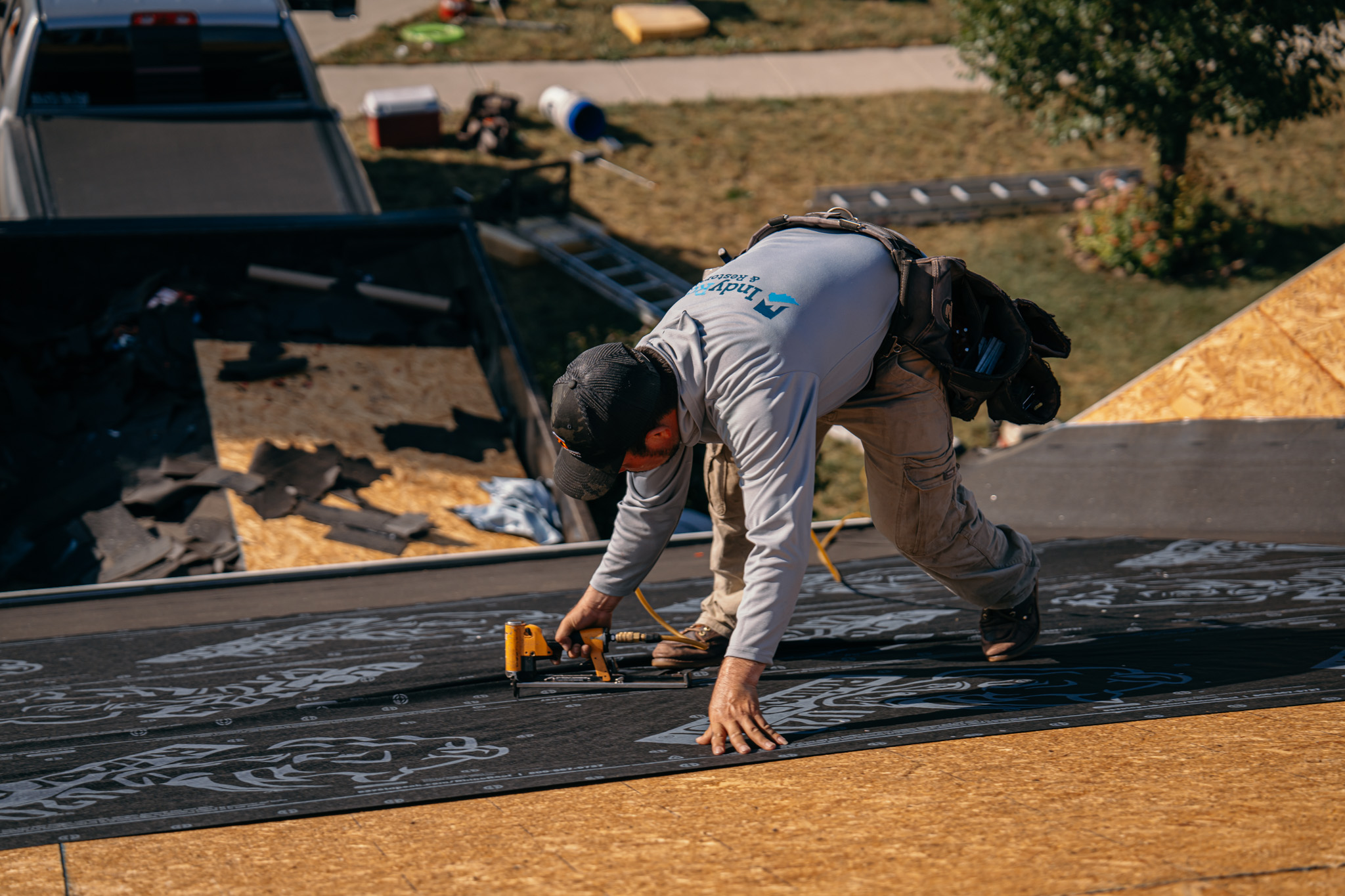
One detail homeowners rarely consider is how long each project actually takes and who runs the job. A traditional panel install on an average Imperial Hills home is usually finished in two or three days once permits clear, and the roofing portion is limited to mounting hardware that any competent solar crew can handle. Solar shingles are a full roof replacement plus an electrical project, which means a week or more on site and a team that includes both certified roofers and licensed electricians. Imperial Hills Metal Roofing works with homeowners on the roofing side of these conversations regardless of which product you choose, because getting the substrate right is the foundation everything else rests on.
Which One Fits Your Situation
The decision usually comes down to roof age and how long you plan to stay. If your roof is under ten years old and in good shape, traditional panels make more financial sense because you are leveraging an asset you already own. If your roof is past fifteen years, showing granule loss, or already on our short list for replacement, solar shingles let you combine two big projects into one financed package and avoid paying for the same labor twice. Homeowners who plan to move within five or seven years rarely recoup either investment in resale value, so the answer there is often to replace the roof properly without solar and let the next owner make the call.
Orientation matters too. South and west facing slopes in Imperial Hills produce the most power, and a roof with heavy tree shade or lots of north facing area limits what either product can deliver. Roof pitch plays a role as well, since steeper slopes capture winter sun more efficiently while shallower roofs perform better in summer. A free inspection helps clarify all of this before you sign anything, which is why Imperial Hills Metal Roofing offers them at no cost and no pressure across central Indiana.